Tree Trimming
Selective trimming removes dead, broken, rubbing, or overextended branches and can improve clearance around roofs, sidewalks, and nearby structures.
Serving Philadelphia, Pennsylvania & surrounding areas
Calls answered around the clock
One call connects you directly with a local tree removal contractor who serves your area and can handle the job.
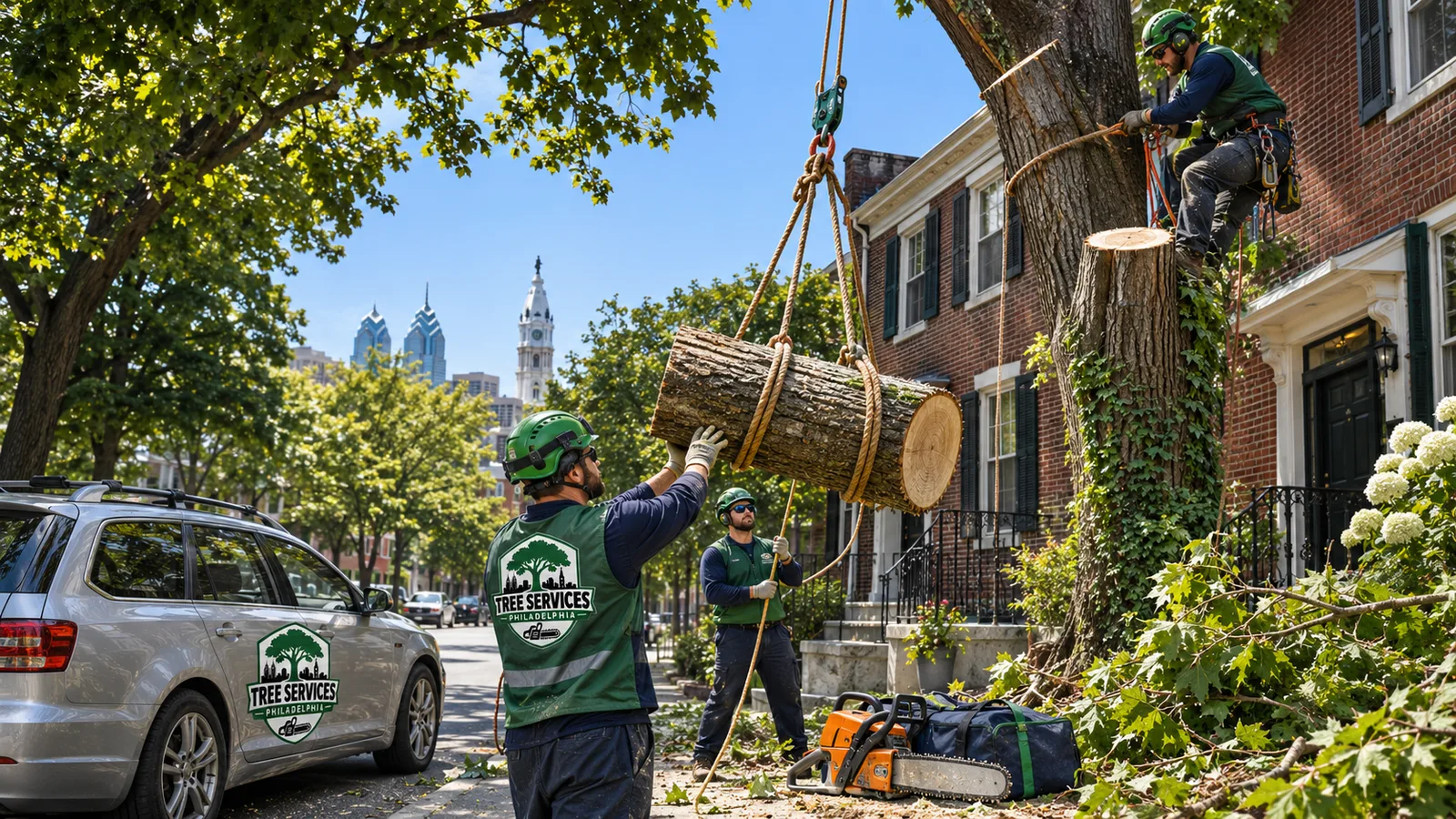
Philadelphia tree removal may involve taking down a dead tree, removing a trunk that leans toward a building, or clearing a tree that interferes with planned property work. One call connects you with a local contractor who can assess the site, discuss the removal plan, and explain what happens to the wood and debris.
Tree removal is more than cutting at the base. The contractor must consider trunk condition, canopy weight, nearby roofs, utility lines, fences, parked vehicles, and the available drop zone. On tight Philadelphia lots, a tree may need to be dismantled in sections. Ropes and rigging can be used to control limbs and trunk pieces where open felling is unsuitable.
Visible cavities, fungal growth near the base, large dead limbs, fresh cracks, and increasing lean can indicate structural trouble. Roots lifting paving or growing close to a foundation also deserve attention. A local contractor can inspect the tree from the property, account for access limitations, and discuss whether full removal fits the situation. You talk with the contractor directly and decide what happens next.
Selective trimming removes dead, broken, rubbing, or overextended branches and can improve clearance around roofs, sidewalks, and nearby structures.
An arborist can assess tree condition, identify signs of disease or structural weakness, and recommend suitable care or removal based on the tree and site.
General tree work may include pruning, removal, condition assessment, and ongoing care for trees around homes, rental properties, and commercial sites.
Tree cutting covers controlled limb and trunk cutting where clearance, damage, overgrowth, or planned property work makes cutting necessary.
Skip the repeated search through contractor listings. One call connects you with a local tree removal contractor who serves Philadelphia and can discuss the tree, property access, and possible next steps directly.
The person you speak with is the contractor who handles tree removal work. You can discuss the site, ask about controlled dismantling or debris handling, and decide whether to proceed after that conversation.
Philadelphia properties range from narrow rowhouse lots to larger yards with mature trees. A local contractor can account for close buildings, alley access, overhead lines, fences, and limited space for lowering wood.
There are no forms to fill or emails to wait for. Pick up the phone to reach a contractor directly, ask practical questions, and make your own decision about the proposed work.
Tree damage can become apparent outside ordinary business hours, especially after wind or heavy rain. Calls are answered around the clock, connecting you with a contractor who serves the area.
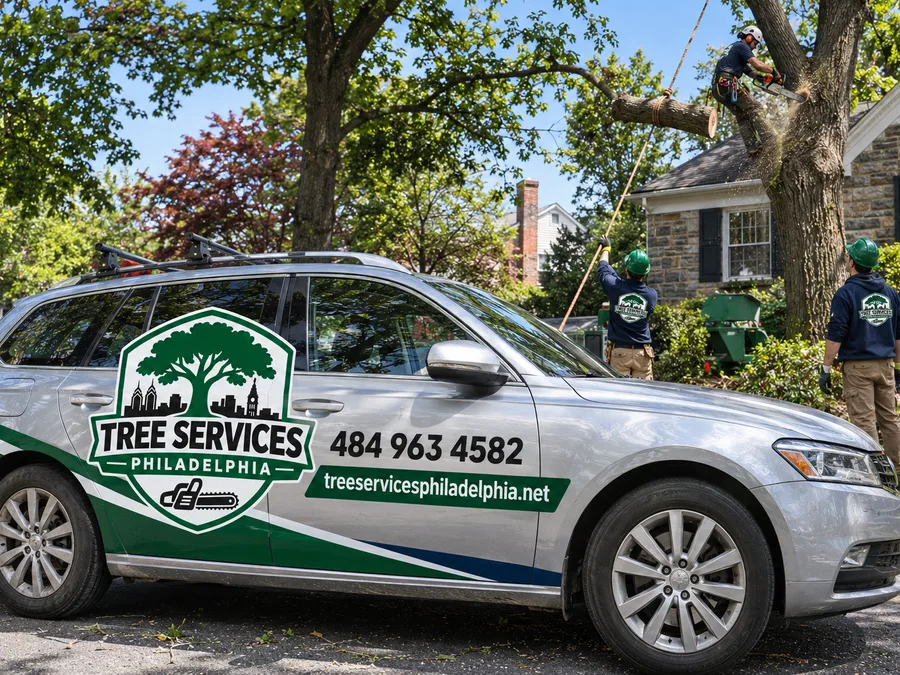
Tree Services Philadelphia connects Philadelphia property owners with local contractors for tree removal.
The service is built for people who want to speak directly with someone who performs the work. The contractor can discuss the tree's position, visible damage, nearby structures, equipment access, and how cut material may be managed. That direct conversation is useful because removal methods depend heavily on the site.
A tree in an open yard may allow a different approach than one beside a rowhouse, rear alley, garage, or public sidewalk. Contractors may use sectional dismantling, rigging lines, lowering devices, cranes, or aerial lifts when conditions call for them. Equipment choice and site protection are matters to discuss with the contractor before work begins.
The contractor also provides the quote and performs any work you approve. You remain in control of the decision throughout the conversation.
Use the call button when you need tree removal in Philadelphia or a surrounding community.
Enter your ZIP code, and you are connected directly with a local tree removal contractor who serves that area.
Discuss the property and proposed work directly with the contractor. The contractor provides the quote, and you decide whether to proceed.
A damaged, leaning, or unwanted tree deserves a direct conversation with someone who handles removal work. One call connects you with a local contractor.
CALL NOW: +1 484 963 4582Local contractors serve properties across Philadelphia, including neighborhoods with tight rowhouse access, mature street trees, and larger residential lots.
Dense blocks, narrow rear access, sidewalks, and buildings close to property lines can require controlled cutting and careful lowering of tree sections.
Rowhouse yards and shared alleys often leave limited equipment access, so contractors must plan around fences, roofs, parked vehicles, and neighboring properties.
Mature trees around older homes can extend over roofs, porches, sidewalks, and utility lines, making canopy weight and drop-zone control important considerations.
Larger residential lots and mature tree cover can involve substantial trunks, broad canopies, sloped ground, and longer routes for moving equipment and debris.
Hillside properties and uneven terrain can affect equipment placement, rigging plans, and the controlled movement of heavy limbs or trunk sections.
Detached and semi-detached homes often provide more yard space, but trees may still stand close to garages, driveways, fences, and overhead lines.
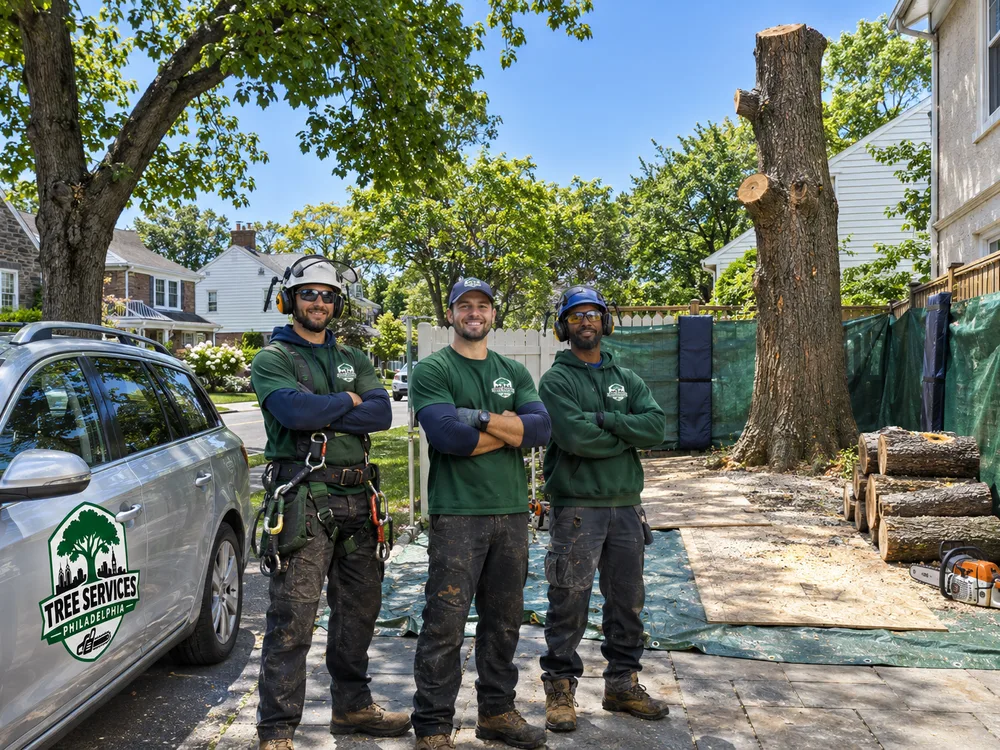
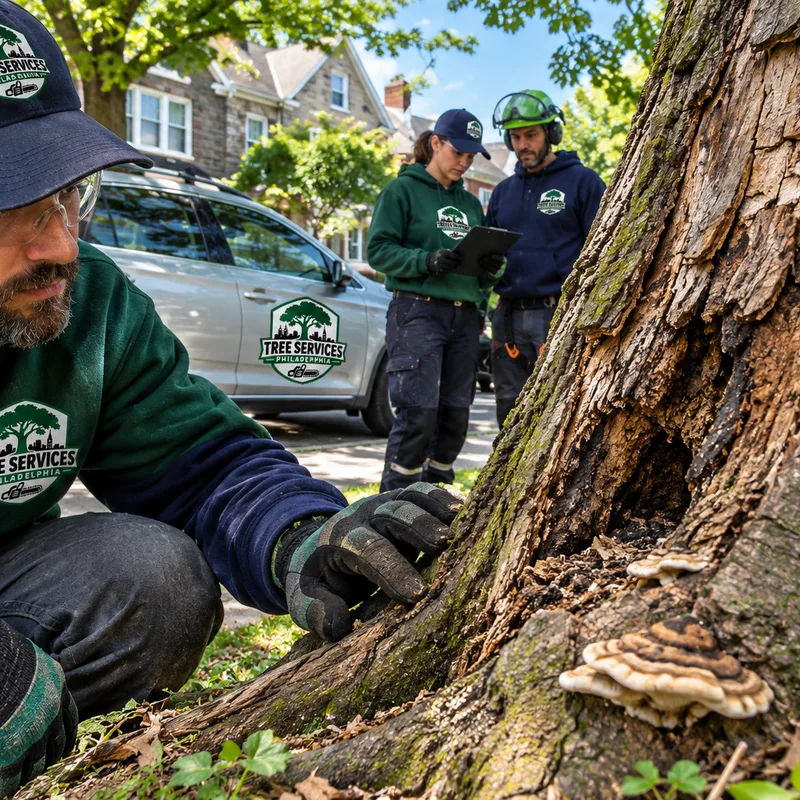
Connect with an independent local tree contractor serving properties throughout Philadelphia and surrounding communities.
Tree Services Philadelphia is a referral service that connects callers with independent local contractors. The contractor you speak with discusses the proposed removal, provides the quote, and performs any work you approve.
The contractor assesses the tree and property before recommending an approach. Tree size, trunk condition, surrounding buildings, utility lines, access, and available drop space can determine whether sectional dismantling, rigging, or other equipment is appropriate.
You decide whether to proceed after speaking directly with the contractor. The conversation gives you an opportunity to ask about the removal plan, site access, debris handling, and the scope of the proposed work.
The independent contractor provides the quote. The amount and scope depend on the contractor's assessment of the tree, access, nearby obstacles, equipment needs, and handling of limbs, trunk sections, and other debris.
Stump handling depends on the scope agreed upon with the contractor. Ask whether the proposal covers cutting the trunk near ground level, stump grinding, wood removal, and cleanup so the included work is clear.
Close rowhouses, narrow alleys, public sidewalks, overhead utility lines, fences, and limited equipment access can affect the removal plan. Larger trees may need controlled sectional cutting rather than an open drop.
One call connects you directly with a local contractor who serves Philadelphia, and you decide what happens next.